Nokia was once the most dominant mobile phone brand in the world, known for its durable devices and massive global reach. At its peak, it seemed unstoppable. That is why many people today search what happened to Nokia, especially after smartphones took over the market. The truth is not that Nokia disappeared, but that it failed to adapt quickly enough to a rapidly changing industry.
What Was Nokia Known For
Nokia is a Finnish company that became a global leader in mobile phones during the late 1990s and early 2000s. Its devices were known for reliability, long battery life, and simple design.
Models like the Nokia 3310 became iconic, and at one point, Nokia controlled a significant share of the global mobile phone market. For many people, Nokia was the first brand they associated with mobile technology.
What Happened to Nokia
The reason people search what happened to Nokia is because of how quickly it lost its dominant position. The major turning point came with the rise of smartphones, especially after Apple introduced the iPhone and Google developed Android.
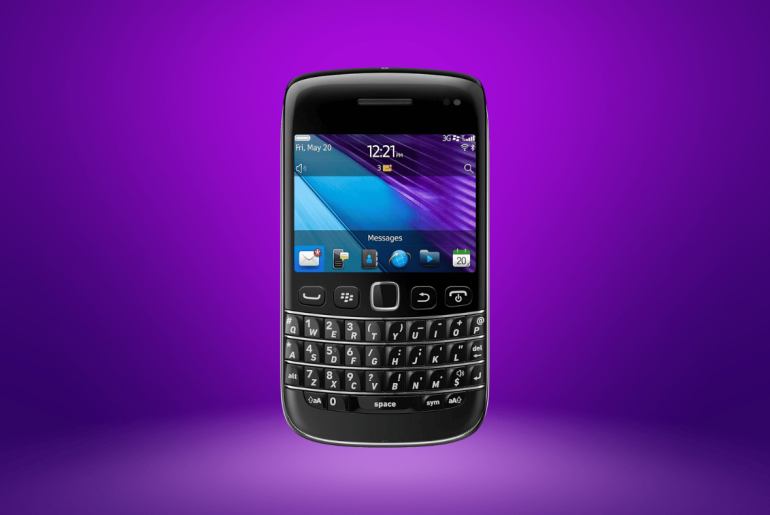
Nokia continued to rely on its older operating systems while competitors moved toward touchscreens and app based ecosystems. This slow response allowed other companies to take over the market.
In an attempt to recover, Nokia partnered with Microsoft and adopted the Windows Phone platform. However, this strategy did not succeed in regaining market share, and the company’s mobile phone division eventually declined.
Where Is Nokia Now in 2026
As of 2026, Nokia still exists, but it is no longer a major player in consumer smartphones. Instead, the company has shifted its focus toward telecommunications infrastructure and network technology.
Nokia now works on areas such as 5G networks, cloud services, and digital infrastructure, making it an important company behind the scenes rather than a visible consumer brand.
The Nokia name still appears on some mobile devices through licensing agreements, but the company itself is no longer leading the smartphone market.
Why Did Nokia Lose Its Lead
One of the main reasons for Nokia’s decline was its slow adaptation to the smartphone revolution. While competitors embraced new technology and user experiences, Nokia stayed with its existing systems for too long.
Another factor was the lack of a strong app ecosystem. As smartphones became more about software and apps, Nokia struggled to compete with platforms like iOS and Android.
Strategic decisions, including its partnership with Microsoft, also played a role in limiting its ability to recover quickly.
Nokia Net Worth and Business Today
Although Nokia lost its dominance in mobile phones, it remains a valuable company. Its focus on telecommunications infrastructure has allowed it to stay relevant in a different part of the technology industry.
The company continues to generate revenue through network equipment, services, and partnerships with global telecom providers.
Conclusion
Nokia did not disappear. It transformed from a consumer focused mobile phone giant into a company that operates behind the scenes in global telecommunications.
Its story is often used as an example of how quickly industries can change and how important it is to adapt to new technology. Today, Nokia remains active and influential, even if it is no longer the brand people carry in their pockets.