
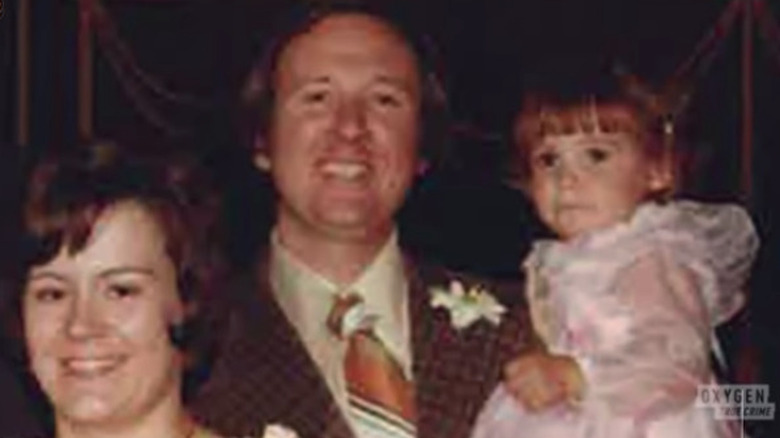
The 1980 killing of Betty Gore left a lasting impact on many lives, but perhaps none more deeply than the children she left behind.
The brutal crime, carried out by Candy Montgomery, shocked the quiet community of Wylie, Texas and quickly became a widely discussed legal case.
Amid the courtroom drama and media coverage, two young girls were suddenly forced to grow up without their mother. For many people who learn about the case today, a natural question follows: what happened to Betty Gore’s children after the tragedy?
The Gore Family Before the Murder
Before the events of 1980, the Gore family appeared to live a peaceful suburban life. Betty Gore and her husband Allan Gore were raising their daughters in Wylie, a small town near Dallas.
The family was active in their church community and maintained friendships with several other families in the area, including the Montgomery family.
From the outside, the Gore household seemed stable and typical of many young families at the time.
Everything changed in June 1980.
The Tragedy That Changed Their Lives
On June 13, 1980, Candy Montgomery went to the Gore home and encountered Betty Gore inside the house. What began as a conversation about an earlier affair between Candy and Allan Gore quickly escalated into a violent confrontation.
Candy Montgomery later claimed that Betty attacked her with an axe and that she fought back in self defense. During the struggle, Betty Gore was killed.
One heartbreaking detail that emerged during the investigation was that Betty’s infant daughter was inside the house during the attack.
The tragedy instantly transformed the lives of the Gore children, leaving them without their mother and thrusting their family into the center of a nationally discussed criminal case.
Life for the Gore Children After the Trial
Following the murder and the highly publicized trial, the responsibility of raising the children fell entirely on Allan Gore.
The situation was incredibly difficult. In addition to grieving the loss of his wife, Allan Gore had to navigate the public exposure of the case, including the revelation of his affair with Candy Montgomery.
Despite the intense media attention, the family eventually moved forward with their lives away from the spotlight.
Reports indicate that Allan Gore focused on providing stability for his daughters while rebuilding a normal family environment.
Growing Up Away from Public Attention
As the years passed, the Gore children grew up largely outside the public eye. Unlike some families involved in high profile crimes, they did not pursue media attention or public storytelling about their experiences.
This decision has kept much of their adult lives private. While occasional reports have surfaced over the decades, detailed public information about their current lives remains limited.
Their privacy reflects a broader pattern among families affected by true crime cases, where individuals often prefer to move forward quietly rather than relive traumatic events through media attention.
Renewed Interest from Television Adaptations
Interest in the Gore family resurfaced decades later through television dramatizations of the case.
The story has been portrayed in productions such as Candy and Love & Death.
These series introduced the story to viewers who were not alive when the original events occurred. As a result, many people began searching for information about the real individuals involved, including the children of Betty Gore.
The Lasting Human Impact of the Case
True crime stories often focus on dramatic events, courtroom battles, and sensational headlines. However, behind every case are families whose lives are permanently shaped by tragedy.
The daughters of Betty Gore grew up carrying the legacy of a crime that shocked their community and fascinated the public.
While the details of their adult lives remain private, their story is an important reminder that the effects of violent crime extend far beyond the moment of the event itself.
Decades after the trial of Candy Montgomery ended, the human consequences of the case continue to resonate through the lives of the people who were closest to it.